Help save a life

A Kidney for Carlos

I'm a husband, a father, and someone who has always said yes to life. Now I need your help so I can keep doing that.

Carlos with his wife Stephanie and their two children, Avery and Bennett

I've always been someone who says yes to life. Kidney disease is making that harder every day.

Ten years ago, I was diagnosed with chronic kidney disease caused by long-term medications I took to manage Ulcerative Colitis. Over the past decade, my kidney function has steadily declined, and I'm now at Stage 4 — on the verge of Stage 5. Without a transplant, my next step is dialysis: hours each week connected to a machine, a dramatic reduction in my quality of life, and real uncertainty about how long I can keep working, being active, and living the life I've built.

I'm 41 years old. I live in Round Rock, Texas with my wife Stephanie and our two kids, Avery and Bennett. Stephanie and I have been together since 2008 and married since 2014. She is my rock — the person who has carried so much of this burden quietly, who picks up the slack when my body won't cooperate, and who still looks at me like we're going to get through this. We will. But we need help.

"I want to stop counting milligrams of sodium and start counting memories again."

I'm a Technical Recruiter at Hims & Hers — a career I'm passionate about because it's built on connecting people. I love skiing, hiking national parks, building Legos with my kids, trying new restaurants, staying active, and experiencing new things. I'm someone who has always said yes to adventure.

Kidney disease has made saying yes a lot harder.

I used to coach my son's soccer team — I had to give that up because my body simply doesn't have the energy anymore. But I refuse to let this disease take everything. I still show up at Avery's volleyball tournaments, still cheer Bennett on at flag football, still drove him to Houston for a Monster Jam event because he loves monster trucks and I wanted to see his face light up. We have family game nights where the kids destroy me at Monopoly Deal and Uno Revenge — those are the moments I live for. Stephanie and I dream about traveling internationally together, but the reality of managing my dietary restrictions in another country makes it feel out of reach. Even date nights — something as simple as going out to eat together — have become complicated because of what I can and can't eat.
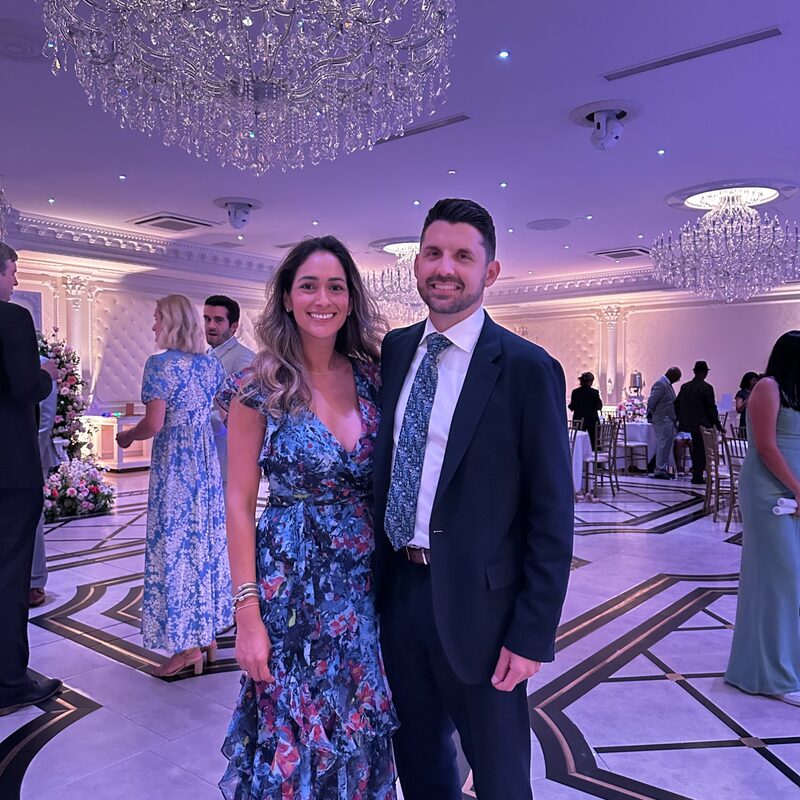

Carlos and Stephanie
Carlos with Avery and Bennett
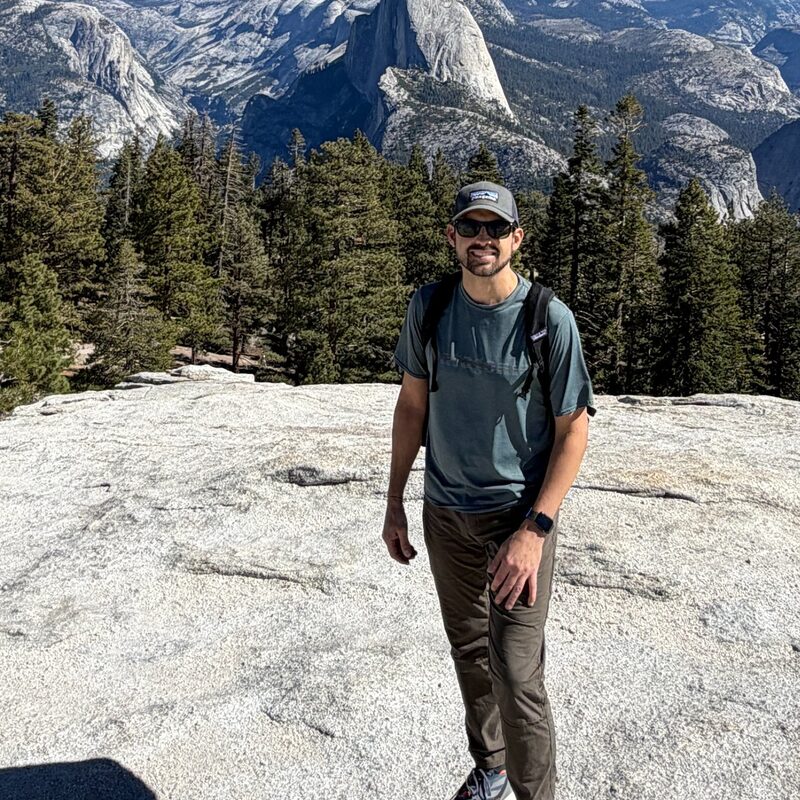
Carlos hiking at Yosemite National Park

The daily reality is exhaustion. Getting through a normal workday and then being present for my family takes everything I have. I push through because I refuse to miss moments that matter — but the cost is real. The next day, I'm recovering: brain fog, body aches, and a deep fatigue that rest doesn't fully fix. I regularly have to say no to plans because I'm not feeling well. I feel out of place at casual social gatherings because I no longer drink and don't have the energy to stay out late. I watch my sodium intake at every meal, carrying a quiet guilt when I slip up, wishing I could just enjoy food again without that weight in the back of my mind.

And underneath all of it, there's the anxiety. The knowledge that dialysis could be less than a year away. The conversations I'll have to have with my kids about what's happening to their dad — conversations I dread, because I don't want them worrying about me when they should be enjoying being kids.

I'm on the national transplant waiting list, but my blood type is B-negative — one of the rarest — and the estimated wait is 8 to 9 years. I may not have that kind of time. A living donor transplant is my best option, and it could happen much sooner.

You don't need to be my blood type.

Through the National Kidney Registry's paired exchange program, if you're willing to donate but aren't a direct match for me, your kidney can go to someone else while I receive a kidney from their donor. One act of generosity can set off a chain that saves multiple lives — including mine.

Two ways you can make a difference

1

See if you can be a donor

Visit the National Kidney Registry donor screening page and fill out a short, confidential health questionnaire. It takes about 5 minutes and does not obligate you to anything — you can step back at any point. The National Kidney Registry handles everything from there. You don't need to be my blood type. Any willing donor can help through the paired exchange program.

2

Share my story

If donating isn't right for you, sharing this page is just as powerful. Send it to your group chat. Post it on social media. Forward it to someone you think might care. The person who saves my life might be someone I've never met — but someone you know.

Get tested — it takes 5 minutes →

Donors are protected and supported

The National Kidney Registry provides comprehensive support to every living donor.

Cost Reimbursement

Travel, lodging, lost wages, and dependent care expenses are covered.

Kidney Priority for Life

Donors receive lifetime priority on the waiting list in the unlikely event they ever need a kidney.

Legal Protections

Protection against employment termination and discrimination related to your donation.

Complication Coverage

Full reimbursement for any complication-related costs, with medical support throughout.

Remote Donation

Complete evaluation and surgery locally, avoiding the need for air travel.

Streamlined Process

Home blood draws, efficient scheduling, and a process designed to respect your time.

About living kidney donation

Yes. Living donors go on to live completely normal, healthy lives. Your remaining kidney compensates by growing slightly and increasing its function. Donors can exercise, travel, have children, and do everything they did before.

No! Through the National Kidney Registry's paired exchange program, any blood type can help. If you're willing to donate but aren't a direct match for Carlos, your kidney goes to someone who is your match, and Carlos receives a compatible kidney from another donor. One donation can set off a chain that saves multiple lives.

It starts with a simple online health questionnaire — about 5 minutes. If you pass the initial screening, you'll have blood work done (which can often be done at home). Further testing is done at a transplant center. The entire process is confidential, and you can opt out at any time.

No. The recipient's insurance covers the surgery, and the National Kidney Registry reimburses donors for travel, lodging, lost wages, and dependent care. There is no financial cost to the donor.

Most living kidney donors are back to light activity within 1–2 weeks and fully recovered within 4–6 weeks. The surgery is done laparoscopically (minimally invasive), which means smaller incisions and a faster recovery.

Absolutely not. Filling out the questionnaire is just a first step. You are free to opt out at any time during the process, for any reason, with no questions asked. Your information is kept completely confidential.

Sharing this page is incredibly valuable. Every share reaches new people, and the person who ultimately donates may be someone Carlos has never met — but someone you know. Share this website, post on social media, or simply tell someone. It all helps.

Five minutes could change everything.

Take a short, confidential health questionnaire to see if you could be a kidney donor. No obligation. No cost. Just the possibility of saving a life.

Get tested now →

Have questions?

If you have questions about my story, the donation process, or anything at all — I'd love to hear from you.

carlos@akidneyforcarlos.com